The selection of stainless steel materials is mainly considered from the following five aspects;
1. Requirements for mechanical properties, especially strength of stainless steel screw materials;
2. Requirements of working conditions on corrosion resistance of materials;
3. The requirements of working temperature on heat resistance (high temperature strength, oxidation resistance) of materials;
4. Requirements of production technology on material processing performance;
5. Other aspects, such as weight, price, purchase and many other factors should be considered.
application area
Stainless steel screws are widely used in machinery, petrochemical, communications, chemical industry, construction industry, electric power, textile, sports equipment, papermaking, sewage treatment, shipping, automobile and other industries. With the great improvement of domestic economic and living standards, the application scope of stainless steel screws will be more extensive.
Mechanical properties
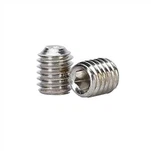
Stainless steel screw, as the name suggests, must be made of stainless steel screw wire pier, after rubbing the screw thread. The stainless steel screw has a lot of properties are related to the stainless steel material. Considering the performance and organization of stainless steel, understand the performance of stainless steel material. So we can understand that stainless steel has good mechanical properties such as anti rust, anti-corrosion and high temperature resistance, so stainless steel screws also have these good mechanical properties. With the development of stainless steel material, the quality of stainless steel is more and more excellent. The mechanical properties of stainless steel screws produced by screw industry are getting better and better. Anti rust, anti-corrosion ability, and high temperature and high pressure is more and more strong.
physical property
The density of carbon steel is slightly higher than that of ferritic and martensitic stainless steel, but slightly lower than that of austenitic stainless steel; The order of resistivity is carbon steel, Ferritic, martensitic and austenitic stainless steel; The linear expansion coefficient of austenitic stainless steel is higher than that of carbon steel; Carbon steel, ferritic stainless steel and martensitic stainless steel have magnetism, while austenitic stainless steel has no magnetism. However, when cold work hardening produces bainitic transformation, it will produce magnetism, which can be eliminated by heat treatment.